
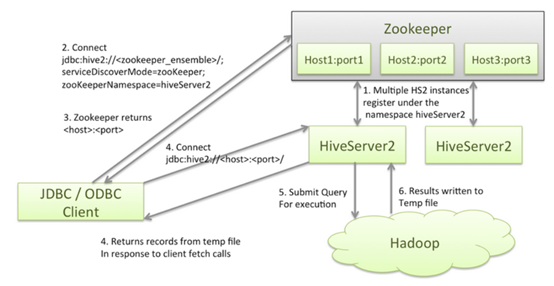
要实现一个多进程服务器,可以使用Python的multiprocessing库,在这个例子中,我们将实现一个简单的Hive进程访问多个ZooKeeper的功能。

(图片来源网络,侵删)
我们需要安装kazoo库来与ZooKeeper进行交互,可以使用以下命令安装:
pip install kazoo
我们编写一个简单的Hive进程类,用于与ZooKeeper进行通信:
from kazoo.client import KazooClient
import time
class HiveProcess:
    def __init__(self, zk_hosts):
        self.zk = KazooClient(hosts=zk_hosts)
        self.zk.start()
    def create_node(self, path, data):
        if not self.zk.exists(path):
            self.zk.create(path, data.encode())
    def read_node(self, path):
        if self.zk.exists(path):
            return self.zk.get(path)[0].decode()
        return None
    def update_node(self, path, data):
        if self.zk.exists(path):
            self.zk.set(path, data.encode())
    def delete_node(self, path):
        if self.zk.exists(path):
            self.zk.delete(path)
    def close(self):
        self.zk.stop()
我们可以创建一个多进程服务器,它将启动多个Hive进程,并让它们访问多个ZooKeeper实例:
from multiprocessing import Process
def hive_process_task(hive_process, zk_hosts):
    print(f"Hive process started with ZooKeeper hosts: {zk_hosts}")
    time.sleep(5)
    print(f"Hive process finished with ZooKeeper hosts: {zk_hosts}")
if __name__ == "__main__":
    zk_hosts_list = [["127.0.0.1:2181"], ["127.0.0.1:2182"], ["127.0.0.1:2183"]]
    hive_processes = []
    for zk_hosts in zk_hosts_list:
        hive_process = HiveProcess(zk_hosts)
        hive_processes.append(hive_process)
    processes = []
    for i, hive_process in enumerate(hive_processes):
        p = Process(target=hive_process_task, args=(hive_process, zk_hosts_list[i]))
        processes.append(p)
        p.start()
    for p in processes:
        p.join()
    for hive_process in hive_processes:
hive_process.close() 在这个例子中,我们创建了一个包含三个ZooKeeper实例的列表,我们为每个ZooKeeper实例创建一个Hive进程,并将它们添加到hive_processes列表中,我们为每个Hive进程创建一个子进程,并将它们添加到processes列表中,我们等待所有子进程完成,并关闭所有Hive进程。
下面是一个简化的介绍,展示了如何实现Hive进程访问多个ZooKeeper服务器的配置,在实际部署中,您可能需要根据具体的环境和需求进行调整。
| 参数/服务器 | ZooKeeper服务器1 | ZooKeeper服务器2 | ZooKeeper服务器3 | … | 说明 |
| 主机名 | zk1.example.com | zk2.example.com | zk3.example.com | … | ZooKeeper集群中的每个服务器的主机名或IP地址 |
| 端口号 | 2181 | 2181 | 2181 | … | ZooKeeper服务器的默认端口号 |
| Hive配置项 | |||||
| zookeeper.quorum | zk1.example.com,zk2.example.com,zk3.example.com | … | 在Hive的配置文件中指定的ZooKeeper集群地址,多个地址用逗号分隔 | ||
| hive.zookeeper.client.port | 2181 | Hive客户端连接ZooKeeper时使用的端口号,通常与ZooKeeper服务器的端口号一致 | |||
| hive.zookeeper.session.timeout | 60000 | Hive会话超时时间,单位是毫秒,可根据需要调整 | |||
| hive.zookeeper.namespace | hive_zk | 在ZooKeeper中为Hive创建的命名空间,用于区分不同应用 |
在Hive的配置文件(hive-site.xml)中,您需要设置上述介绍中的zookeeper.quorum和相关的ZooKeeper参数,以便Hive知道如何连接到ZooKeeper集群。
以下是一个配置示例:
(图片来源网络,侵删)
<configuration>
  <!-- ZooKeeper集群配置 -->
  <property>
    <name>zookeeper.quorum</name>
    <value>zk1.example.com,zk2.example.com,zk3.example.com</value>
  </property>
  <!-- ZooKeeper客户端端口 -->
  <property>
    <name>hive.zookeeper.client.port</name>
    <value>2181</value>
  </property>
  <!-- Hive在ZooKeeper中的命名空间 -->
  <property>
    <name>hive.zookeeper.namespace</name>
    <value>hive_zk</value>
  </property>
  <!-- 其他配置... -->
</configuration>
确保所有Hive服务器实例都配置了相同的ZooKeeper集群信息,这样它们就可以正确地协调和访问ZooKeeper中的元数据和锁信息。
(图片来源网络,侵删)
【版权声明】:本站所有内容均来自网络,若无意侵犯到您的权利,请及时与我们联系将尽快删除相关内容!


发表回复